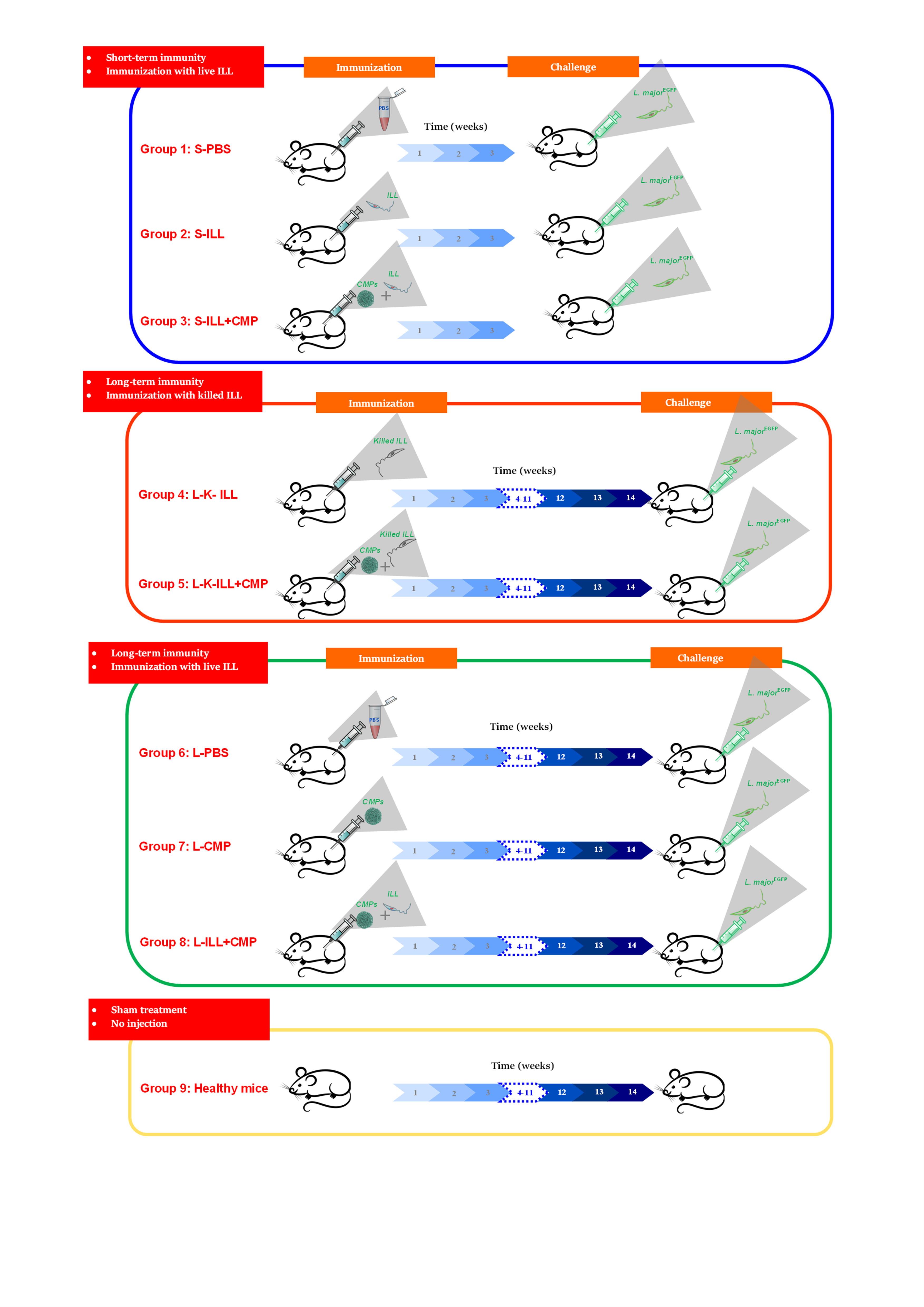
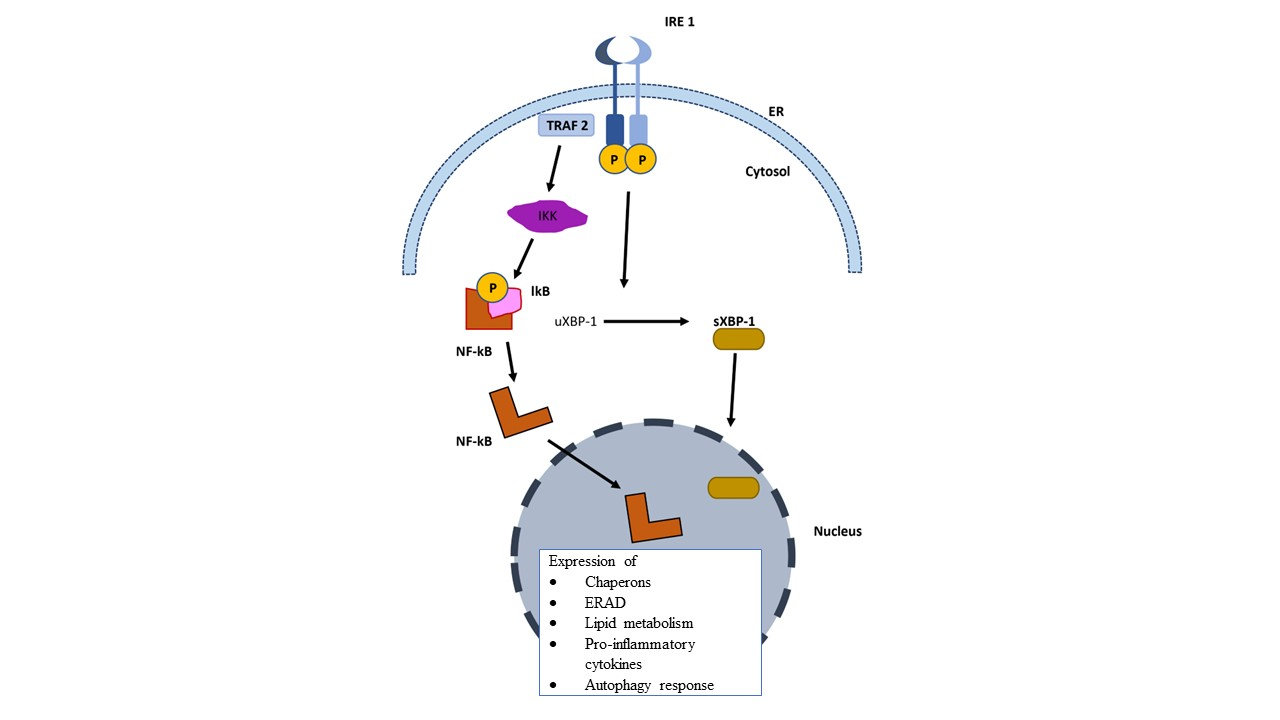
This study aimed to elucidate how osteopontin (OPN) affects the growth, invasion, and extrahepatic metastasis of Echinococcus multilocularis (Em) through the p38MAPK signaling pathway of host hepatocytes. C57BL/6J mice were randomly divided into the control group (n = 10), the LV-OPN-0423 group (n = 10), the anti-p38MAPK group (n = 10), and the anti-p38MAPK+LV-OPN-0423 group (n = 10). Em infection models in mice were set up. The mice were fed for 6 weeks under suitable conditions. The mice in the anti-p38MAPK group and the anti-p38MAPK+LV-OPN-0423 group were then given SB202190 (this is an inhibitor of p38MAPK) for 4 weeks, and the mice in each group were injected with corresponding lentivirus diluent once a week for 8 weeks. After the intervention was completed, the liver volume and weight were measured, and the liver was embedded in paraffin and sectioned. Sections were subjected to hematoxylin and eosin (HE), periodic acid-Schiff (PAS), and immunohistochemical staining to observe the growth and invasion of Em, as well as the expression levels of OPN, p38MAPK, and p-p38MAPK of the host. SB202190 hindered Em’s growth, invasion, and migration. The level of OPN facilitated Em’s growth, invasion, and migration, which can be reversed by SB202190. The OPN level promoted the expression of p38MAPK and p-p38MAPK. These results suggested that OPN could regulate Em’s growth and metastasis through the P38MAPK signaling pathway in host hepatocytes, providing evidence that OPN and p38MAPK may be novel molecular targets for treating alveolar echinococcosis.