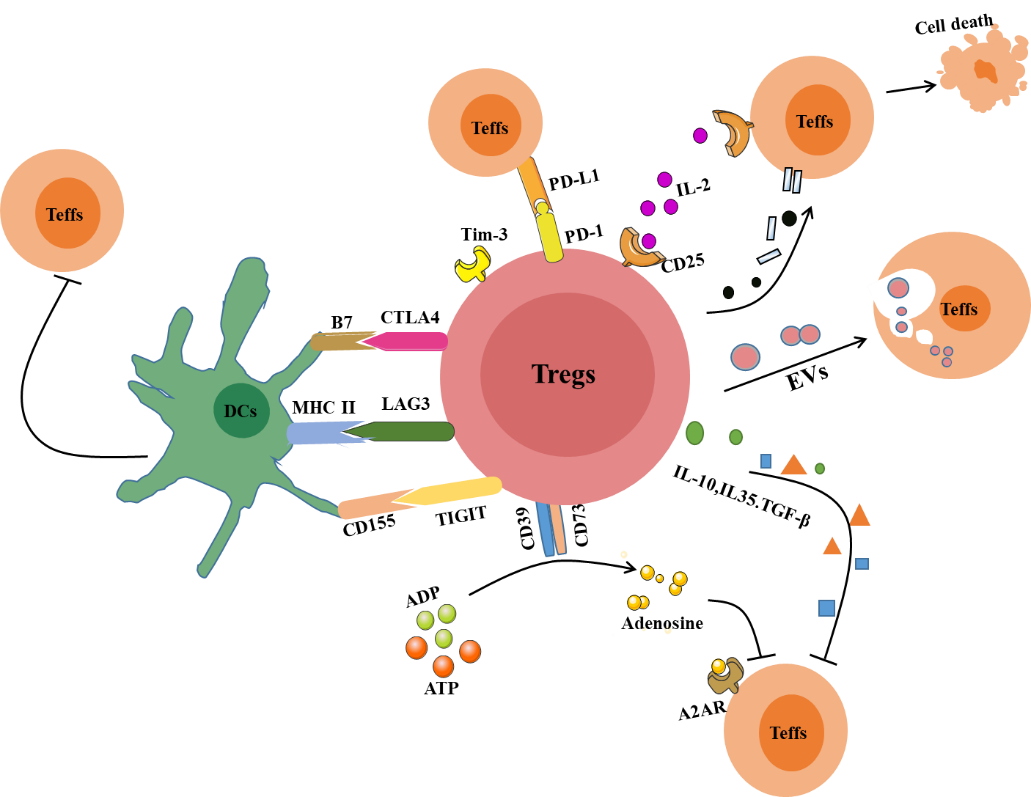
The tumor microenvironment (TME) plays a pivotal role in shaping tumor progression, therapeutic resistance, and immune evasion. Among the diverse cellular constituents of the TME, cancer-associated adipocytes (CAAs) have gained increasing recognition as active modulators of cancer biology. Once considered passive energy reservoirs, adipocytes undergo functional and phenotypic reprogramming under the influence of tumor-derived signals, transforming into pro-tumorigenic CAAs. These altered adipocytes not only supply metabolic substrates to cancer cells but also orchestrate an immunosuppressive landscape conducive to tumor growth and metastasis. Through the secretion of adipokines, pro-inflammatory cytokines, and extracellular vesicles, CAAs influence the recruitment, differentiation, and functional polarization of immune cells such as regulatory T cells (Tregs), tumor-associated macrophages (TAMs), and myeloid-derived suppressor cells (MDSCs). Additionally, CAAs contribute to extracellular matrix remodeling, hypoxia, and lipid metabolism dysregulation, all of which suppress anti-tumor immune responses. This review synthesizes current knowledge on the role of CAAs in shaping the immunosuppressive TME, with a focus on breast, ovarian, and pancreatic cancers. We also discuss emerging therapeutic strategies targeting CAAs and their immunomodulatory networks to enhance the efficacy of cancer immunotherapy.